


OUR MODEL
The mission of the Jackson in Action 83 Foundation is to provide support to military families, focusing on the educational, emotional, and physical health of the children.
Our job is to provide support and tools to help military parents continue to raise their children and maintain close bonds, even when separated by thousands of miles.
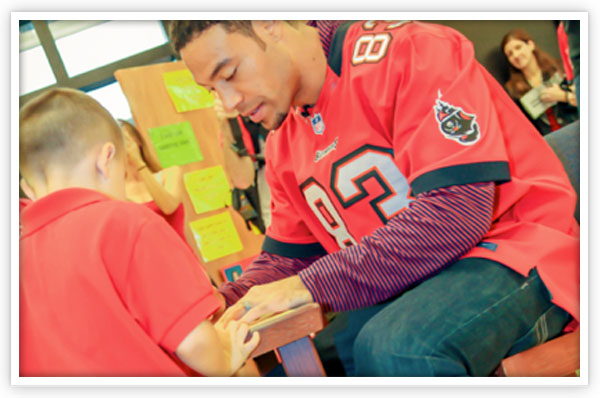
In putting together our programs, we solicit information and ideas from a wide range of resources, from academic experts to military personnel. The consensus of the research shows that there are three areas of concern for the children of deployed families:
1) Educational 2) Emotional and 3) Physical.
But let’s face it, any parent could have told you that. We all want our kids to be healthy (physical), happy (emotional), and do well in school (educational). However, it makes sense that the added stress of deployment could create problems in one or all of those areas. These are the pillars of our foundation.
Educational
It’s not surprising that kids can have problems in school when a parent is deployed. First, there is one less parent at home to supervise homework and help when needed. Some military parents get orders to move, thus the children have been to numerous schools and can’t build solid relationships or foundations. Parents with a deployed spouse often face financial strains, which don’t allow them to have the extra funds for after school literacy programs, tutors, or other educational activities.
Emotional
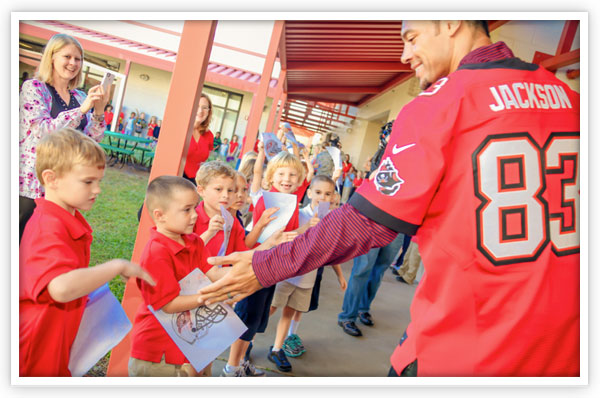
There is a lot written today about “emotional intelligence” and “happiness.” We all know that how we feel impacts what we do. With kids, it’s more difficult because they don’t always have the vocabulary to express how they feel. They may be sad that Mom is away and can’t come watch them play their championship game. They may be angry that Dad is overseas and can’t tuck them in at night. They may “act out” their emotions by kicking their sibling, refusing to obey, and crying at school. Lots of times, parents aren’t afforded an opportunity to recognize the problem due to the needs of other siblings, added house stresses, work, and so on.
Physical
There are a lot of temptations in today’s world to be physically unfit. From fast food to video games, it’s not a shock that the added stress of deployment can lead to making decisions that are ultimately unhealthy.
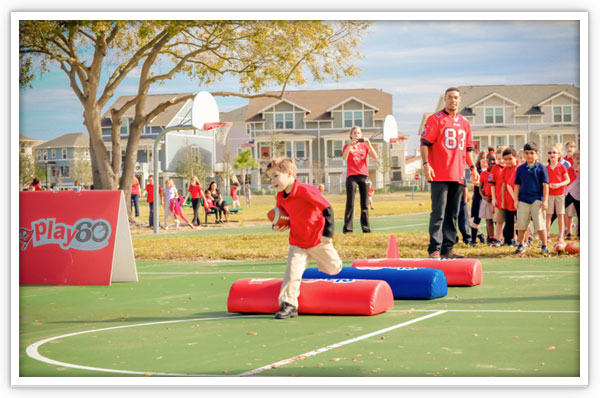 Kids start getting less exercise because staying inside and watching TV helps mom or dad get things done around the house. Often times, junk foods are quicker, easier, and cheaper than eating healthier foods. It’s hard for a stateside parent to prepare healthy meals when they may be working a full-time job while trying to be both mom and dad at home. Physical inactivity and poor eating become habits, which are hard to break.
The Jackson in Action 83 Foundation strives to help families in all three areas. We provide resources and tools to help children express how they feel. We will help them get more active. We will instill programs in schools to improve their academic performance and interest. We want our military kids to be healthy, happy, and smart!
Military Family Resources Online
Below is a list of websites to provide military families with information and resources:
National Military Family Association
The Future of Children – Military Children and Families: The Future of Children is a collaboration between Princeton University (Woodrow Wilson School) and the Brookings Institution. The Future of Children’s Fall 2013 journal was dedicated to military-connected children and their families. The Military Child Education Coalition (MCEC) collaborated on this issue of the journal in order to promote effective policies and programs for military-connected children and their families by providing timely, objective information based on the best available research. This issue’s co-editors, Dr. Richard Lerner (Tufts University) and Dr. Steven Cozza (Center for the Study of Traumatic Stress at the Uniformed Services University of the Health Sciences), brought together significant researchers, scholars, and practitioners to address issues and implications for military-connected children. The link provided here is a link to the full journal issue.
Testimonials
Below is an email sent to the foundation on June 2, 2014 from the parent of a student who was selected to be a part of the 2013-14 Salute to Reading Program:
My son, Rory, was able to participate in your reading program through Tinker Elementary School and it meant so much to him. Hopefully, my older boys will get the chance to be involved with one of your events soon and to meet Vincent! They are so inspired by successful military brats like Vincent Jackson. He has gone on to do great things while maintaining the volunteer spirit of military families.
So many times, our military kids are not given the same opportunities as local kids because the prospect of their imminent move keeps them on the sidelines. Some coaches don’t want to put in the time and effort with a kid who is going to move in the next year or two. It is so important for me, as a mom of military kids, to have a great role model like Vincent to show them. He is an example of hard work and dedication overcoming those obstacles.
I’ll keep checking your website for future events!
Thanks again,
Sarah O’Brien
Below is an email sent to the foundation on May 30, 2014 from the parent of a student who was selected to be a part of the 2013-14 Salute to Reading Program:
Dear Jackson In Action Team,
Thank you so very much for all the hard work you put into the Salute to Reading program and the end of year celebration! My daughter Adrianna Cook had such a wonderful time and feels so special to have had the opportunity. She has poured over her “Danny” book and loves that there is a picture of Vincent at her school, Tinker Elementary, in the back. Thank you Vincent for taking the time to give each one a signed copy. What a treasure for them. We look forward to your future books!
Please never doubt that events like this make a huge impact on the kids, making them feel proud and privileged to be a part of the military family! We are so grateful for organizations like yours who so generously offer your support! THANK YOU!
May you be richly blessed,
Jennifer Cook